 Back to Featured Projects
This Edmond homeowner had a close call. A large branch from a dead tree snapped and fell, landing in the middle of their yard. It was a clear sign the rest of the tree was a hazard. They called us to assess the situation, and we agreed that a full removal was the safest option before the next storm.
WHAT THE HOMEOWNER WAS DEALING WITH
A large, heavy branch falls from a tree and crashes into your yard. The first feeling is relief — it didn’t hit the house, a car, or the fence. But the next feeling is anxiety. What about the other branches? Is the rest of the tree compromised?
That was the situation for this homeowner in Edmond. The fallen limb was not just storm debris; it was evidence that the entire tree was dead and becoming more unstable by the day. The question was no longer *if* another piece would fall, but *when* and what it would hit.
THE PROBLEM: A DEAD TREE IS AN UNPREDICTABLE HAZARD
Dead trees are fundamentally different from living ones. They don’t bend in the wind; they break. The wood becomes brittle, the root system stops holding firm, and the entire structure is slowly being compromised by insects and decay. It’s an accident waiting to happen.
In Oklahoma, high winds, ice storms, and even heavy rain can be the final push that brings a dead tree or its branches down. The risk isn’t just property damage. It’s a serious safety issue for anyone in the vicinity. Ignoring a dead tree doesn’t make the problem go away; it just buys time until the inevitable happens.
THE REMOVAL: EFFICIENT AND YARD-FRIENDLY
For this job, the main goals were safety and speed. Since the tree was dead, there was no saving it. The homeowner wanted the hazard gone.
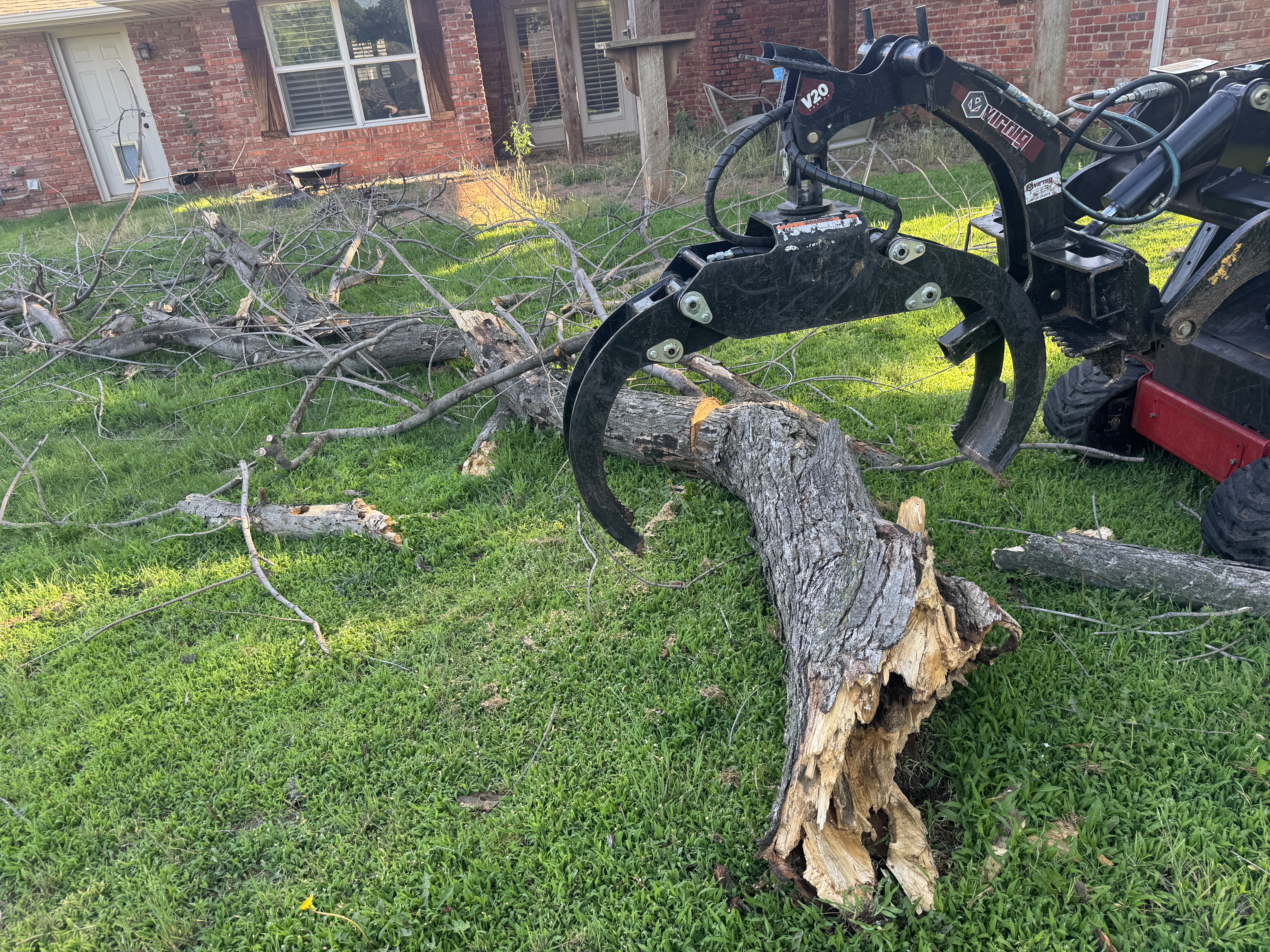
We brought in our skid steer with a grapple attachment. This piece of equipment is ideal for jobs like this. It allows us to pick up, carry, and stack large sections of the tree without dragging them across the lawn, which prevents unnecessary damage to the turf.
Our operator carefully dismantled the rest of the tree, cutting it into manageable logs. The grapple then took over, lifting the heavy pieces directly to our trailer for haul-away. The entire process, from the first cut to final cleanup, took only about an hour and a half. It’s a straightforward job when you have the right equipment and an experienced crew.
THE RESULT: A SAFE YARD AND PEACE OF MIND
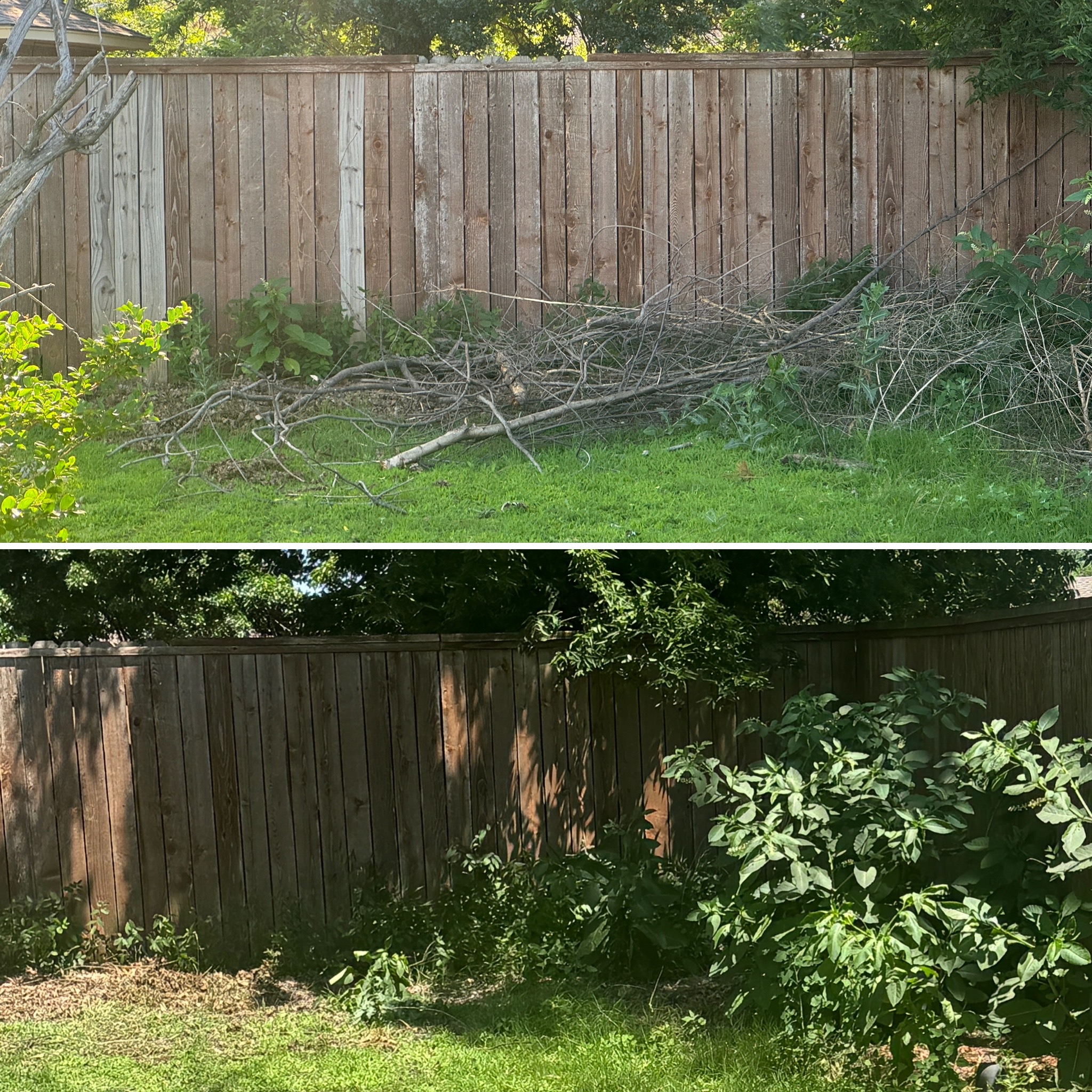
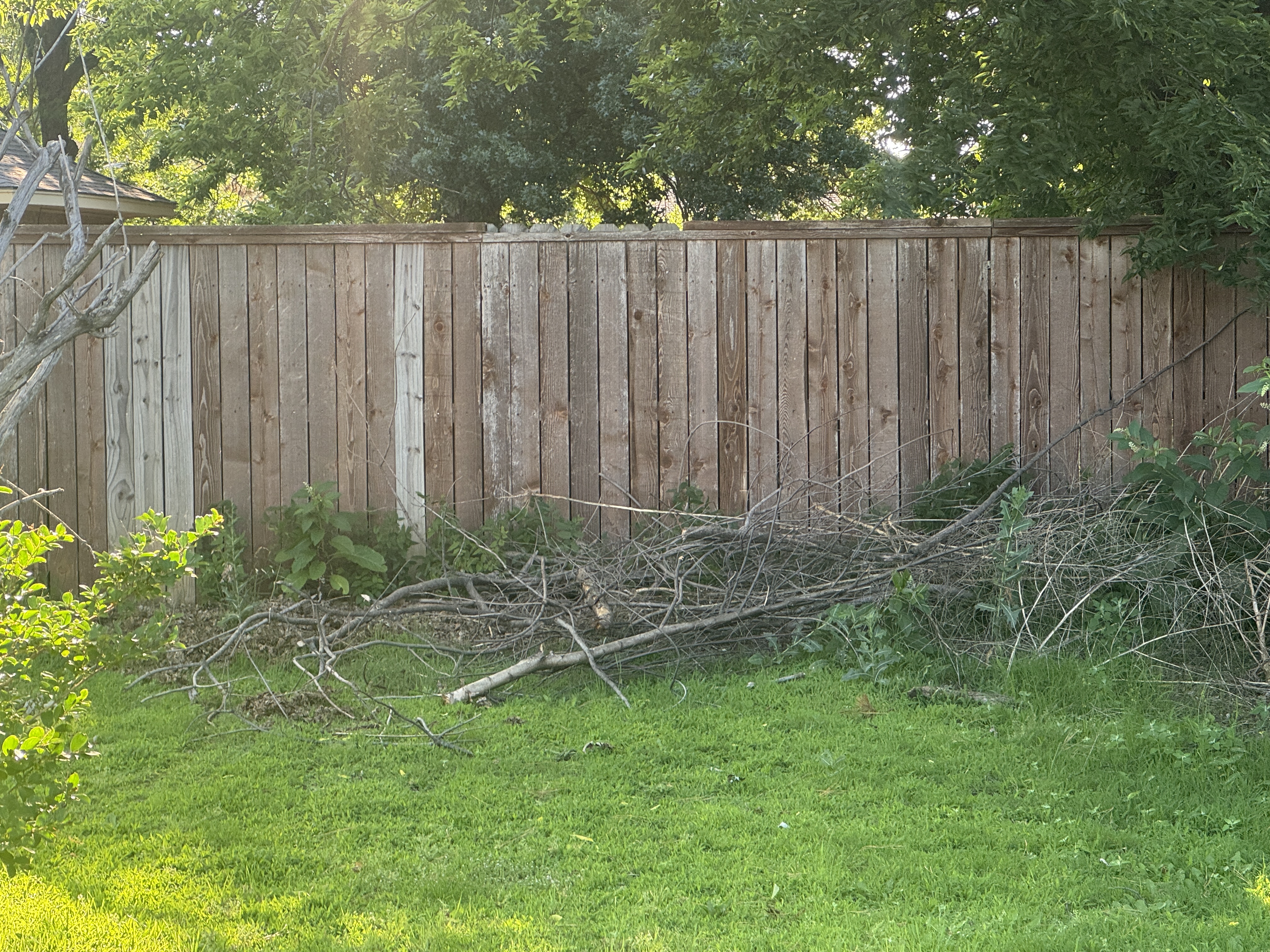
The final step of any job is the cleanup. We used blowers and rakes to remove all the small twigs, leaves, and sawdust from the work area, leaving the yard looking clean and clear. As the before-and-after photo shows, all the debris from the fallen branch was completely removed.
Most importantly, the homeowner no longer has to worry every time the wind blows. The immediate hazard is gone, and their property is safer. That’s the real goal of a removal like this — restoring a homeowner’s peace of mind.
HOW TO SPOT A DEAD OR DYING TREE
Not sure if a tree on your property is a risk? Most homeowners can spot the warning signs if they know what to look for. Some issues can be managed with trimming or treatment, but a dead tree should always be removed. It’s the only way to be sure it won’t cause damage.
Look for a combination of these factors. A single sign might not be a death sentence, but if you see two or three, it’s time to call a professional for an assessment. Catching it early gives you more options.
- No leaves on a hardwood tree in the summer.
- Brown, brittle needles on an evergreen.
- Large, dead branches in the canopy (often with no bark).
- Peeling or cracked bark around the trunk.
- Fungus or mushrooms growing on the trunk or at the base.
- Vertical cracks or deep splits in the trunk.
- Holes or cavities, which indicate internal rot.
- The tree is suddenly leaning more than it used to.
- Lots of dead branches fall after every minor storm.
WHAT TO PLANT INSTEAD
After removing a problem tree, many homeowners in Edmond and the OKC metro ask what they should plant in its place. The key is choosing a species that’s well-suited to our clay soil, intense summer heat, and unpredictable winters. Planting the right tree for the location is the best way to ensure it stays healthy for decades.
Here are a few resilient, Oklahoma-friendly trees to consider. Always think about the mature size of the tree and plant it a safe distance from homes and power lines.
Lacebark Elm
A tough, fast-growing shade tree that is highly adaptable to urban soils and drought-tolerant once established.
Chinese Pistache
Known for its brilliant fall color. It handles heat and drought well and is a good medium-sized tree for many yards.
Shumard Oak
A more reliable and faster-growing oak for our area than others. It offers great shade and develops a nice red fall color.
Bald Cypress
Despite its association with swamps, this tree is surprisingly drought-tolerant and thrives in Oklahoma clay. It’s a conifer that loses its needles in winter.
SEE ALSO
Need this kind of work at your place? Read more about professional tree removal in Edmond and Oklahoma City.
HAVE A DEAD OR WORRISOME TREE?
A dead tree is just waiting for the right storm to cause a problem. Send us a photo, and we can often provide a free removal quote the same day.
Call or Text (405) 253-5232 Photo Estimate — 60 SecondsFrequently Asked Questions
Why was this Edmond tree removed?
A large branch from a dead tree snapped and fell into the middle of the yard. It did not hit the house, a car, or the fence, but it was a clear sign the rest of the tree was a hazard, so we recommended a full removal before the next storm.
Why is a dead tree more unpredictable than a living one?
Dead trees do not bend in the wind; they break. The wood becomes brittle, the roots stop holding firm, and insects and decay keep weakening the structure. In Oklahoma, high winds, ice, or even heavy rain can be the final push.
How was the tree taken down?
The main goals were safety and speed. We brought in a skid steer with a grapple to remove the dead tree efficiently and in a yard-friendly way.